
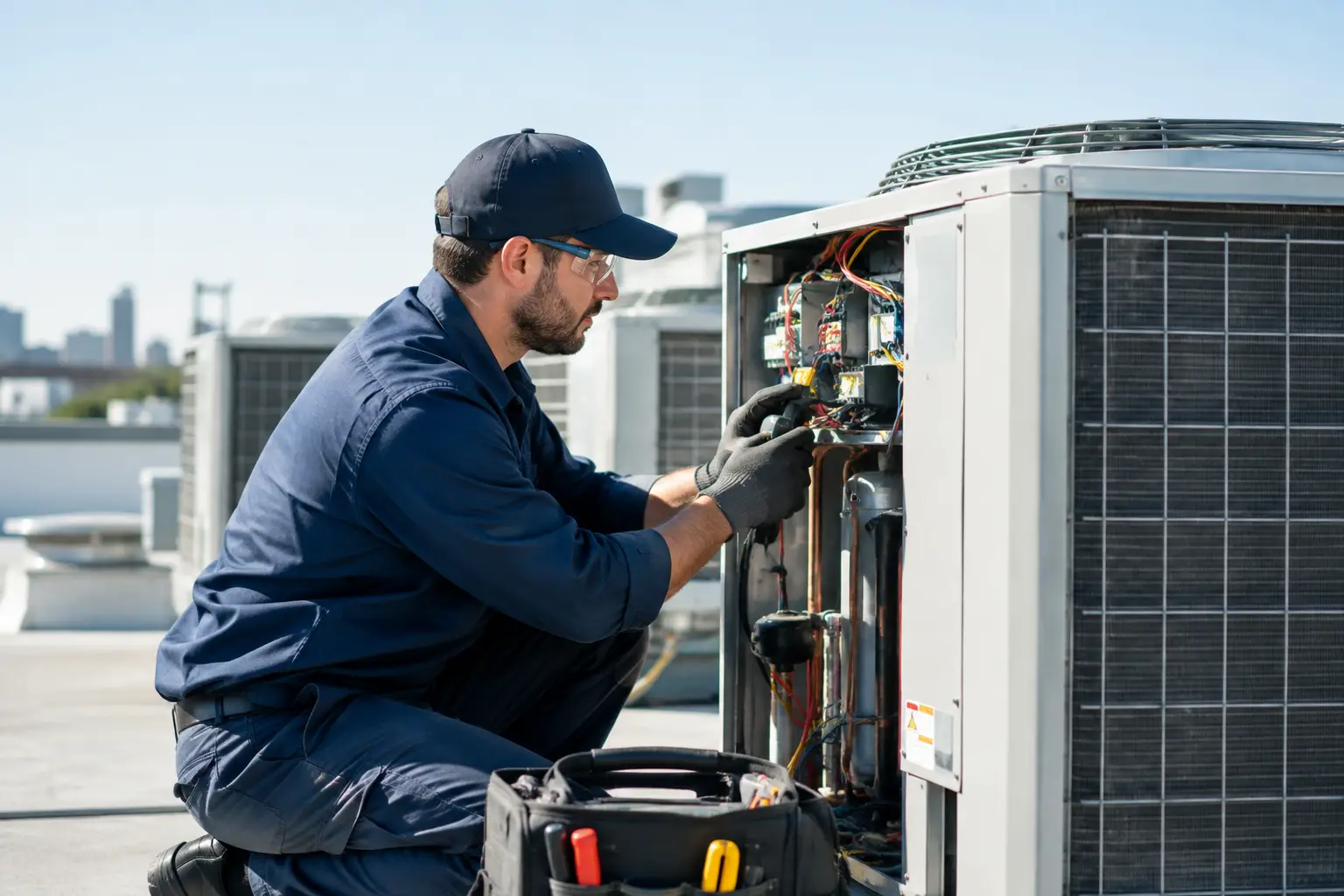
A failed air conditioner in the middle of a busy lunch service, a stuffy office on a 40-degree day, or a cool room alarm after hours can quickly become more than an inconvenience. Commercial HVAC servicing is how businesses stay ahead of those disruptions. It gives equipment the attention it needs before a minor issue turns into lost trade, unhappy staff, damaged stock or an urgent repair bill.
For Adelaide businesses, heating, cooling and ventilation systems work hard through sharp seasonal changes. A proper service plan is not about ticking a box or giving a unit a quick look-over. It is about checking the parts that affect performance, safety and reliability, then dealing with faults properly.
Why Commercial HVAC Servicing Matters
Commercial equipment is often expected to run for long hours with little room for failure. Offices need comfortable working conditions. Retail spaces need a welcoming environment. Restaurants, kitchens and medical facilities may depend on ventilation and temperature control every day. When a system is struggling, the signs are not always obvious until it stops altogether.
Regular servicing helps identify restricted airflow, blocked drains, worn electrical components, refrigerant issues and failing motors before they cause a breakdown. It also helps equipment operate more efficiently. A system working harder than it should uses more power, delivers less consistent comfort and places extra strain on expensive components.
There is also a practical business case. Planned maintenance can usually be scheduled around your quieter periods. Emergency repairs happen when they happen, often at the worst possible time. No business can eliminate every fault, but routine servicing puts you in a far better position to avoid preventable downtime.
What Proper Commercial HVAC Servicing Should Cover
The exact work depends on the type, age and use of your equipment. A ducted office system does not have the same servicing needs as a wall-mounted split system in a shop or a high-use system serving a commercial kitchen. Still, a thorough visit should involve more than replacing a filter and leaving.
Airflow, filters and drainage
Filters, indoor coils, outdoor coils and condensate drains all affect how well a system performs. Dirty filters restrict airflow and force the unit to work harder. Blocked drains can cause leaks, water damage and unwanted shutdowns. Dirty coils reduce heat transfer, which makes heating and cooling less effective.
A qualified technician should inspect and clean these components where required, then check that airflow is appropriate for the space. If recurring dirt or drain issues are present, the real cause should be discussed rather than repeatedly applying a temporary fix.
Electrical checks and operating controls
Commercial HVAC systems rely on electrical connections, capacitors, contactors, sensors, thermostats and safety controls to operate as intended. Loose connections and worn parts can create intermittent faults that are difficult to spot during a busy day.
Servicing should include checks of electrical components and operating controls, along with a test of heating and cooling performance. Technicians should also look for unusual noise, vibration or cycling behaviour. These details matter because they often point to a problem before a complete failure occurs.
Refrigerant and system condition
Low refrigerant is not simply something to top up and forget. In a properly sealed system, refrigerant should not disappear. If levels are low, the cause needs to be investigated. A leak can affect performance, increase running costs and place strain on the compressor.
The technician should assess the overall condition of the system, including pipework, insulation, outdoor unit condition and signs of corrosion or damage. For businesses with commercial refrigeration or cool rooms, the same principle applies: find the fault, explain the options and repair it properly.
Clear records and practical recommendations
A service report should give you a clear picture of what was checked, what was found and what needs attention. Not every observation requires urgent replacement. Good advice separates immediate risks from items that can be monitored or budgeted for later.
This is where a maintenance relationship earns its value. Over time, service records show patterns in equipment performance and help with sensible replacement planning. You are not left guessing whether a repair is worthwhile or whether an ageing unit is becoming a liability.
How Often Should a Commercial System Be Serviced?
It depends on the equipment and how hard it is used. A lightly used system in a small office may need less frequent attention than air conditioning in a retail store that operates six or seven days a week. Systems exposed to dust, grease, coastal air or heavy foot traffic generally need closer monitoring.
As a practical starting point, many commercial systems benefit from servicing at least twice a year, usually before peak summer and winter demand. High-use sites, kitchens, medical premises, facilities with critical temperature requirements and businesses with commercial refrigeration may require quarterly servicing or a tailored schedule.
The best interval is one based on the site, not a generic package. Equipment age, manufacturer requirements, indoor conditions and your operating hours should all be considered. A technician who understands your site can recommend a schedule that makes sense without selling unnecessary visits.
Signs Your HVAC System Needs Attention Now
Do not wait for a complete shutdown if the system is already showing signs of trouble. A prompt inspection may prevent a larger repair and reduce disruption to staff and customers.
Common warning signs include:
- Rooms that are too warm, too cold or unevenly conditioned
- Rising power bills without a clear change in business activity
- Water leaking from indoor units or pooling around equipment
- Rattling, buzzing, grinding or frequent starting and stopping
- Weak airflow, unpleasant smells or a system that takes too long to respond
One of these issues does not automatically mean major equipment failure. A dirty filter, blocked drain or control fault can sometimes be resolved quickly. The point is to have the system checked before the fault develops into something more expensive.
Choosing a Commercial HVAC Servicing Contractor
For commercial operators, the quality of the technician matters as much as the service schedule. You need someone who can work around your business, communicate clearly and diagnose faults instead of guessing. That means qualified technicians, proper testing and realistic advice about repair versus replacement.
Ask what is included in the visit, whether reports are provided, and how follow-up repairs are handled. Upfront pricing matters too. You should know what is being recommended, why it is needed and what it will cost before work moves ahead.
Local accountability also makes a difference. LJ Refrigeration & Air-Conditioning services Adelaide businesses with qualified technicians and no subcontractor uncertainty. The focus is straightforward: turn up when promised, inspect the system properly and carry out work built to last.
When Servicing Is Not Enough
Maintenance extends equipment life, but it cannot make an unsuitable or worn-out system perform like a new one. If the same fault keeps returning, major components are failing, repairs are becoming frequent or the system cannot keep up with the space, replacement may be the more sensible investment.
That does not always mean replacing everything at once. In some cases, a staged plan can keep the business operating while allowing for budget and timing. The right decision comes down to equipment condition, operating costs, repair history and the consequences of downtime for your business.
The goal of commercial HVAC servicing is simple: fewer surprises, clearer decisions and equipment that is ready when your business needs it. Book maintenance before the heat, the cold or a busy trading period exposes the fault you could have caught earlier.
