
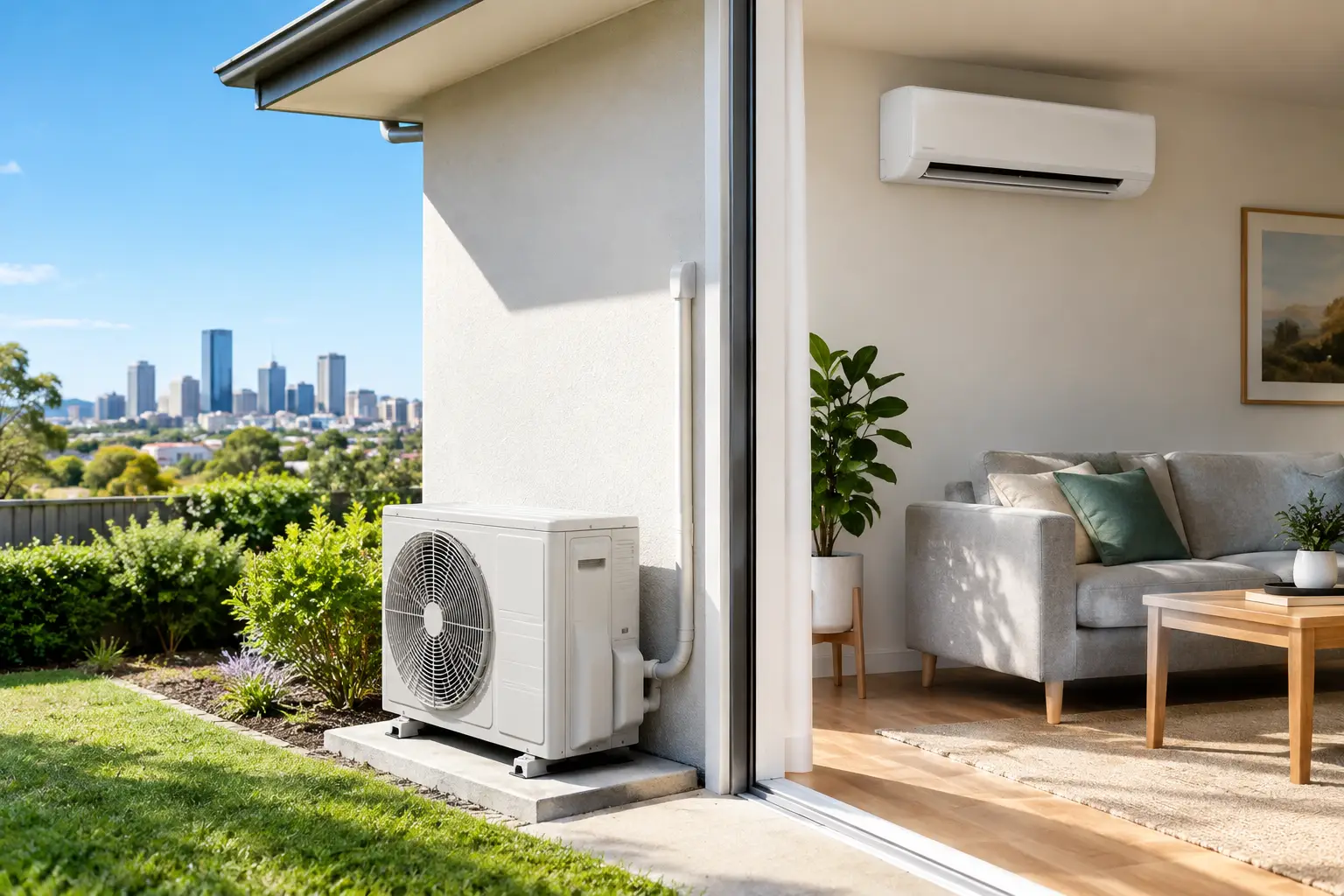
A split system that looks good on the showroom wall can still leave you sweating through an Adelaide heatwave if it is the wrong size, poorly positioned or installed without care. Finding the best split systems Australia has available is not just about choosing a familiar brand or the lowest ticket price. It is about selecting equipment that suits your room, your usage and the way your home is built – then having it installed properly.
For most households, a split system is a practical answer to heating and cooling one main living area, bedroom, home office or extension. They are efficient, relatively quiet and give you control where you need it. But the best result comes from getting the details right before the unit goes on the wall.
What makes a split system a good choice?
A split system has two main parts: an indoor unit that delivers conditioned air and an outdoor unit that releases heat outside. Unlike a portable air conditioner, it does not need a window kit or take up floor space. Unlike ducted air conditioning, it lets you target individual rooms without paying to cool or heat the whole house.
That makes split systems a strong option for smaller homes, apartments, bedrooms and areas where ductwork is not practical. They can also work well as an addition to an existing system, such as cooling a sun-exposed family room that always runs hotter than the rest of the house.
There is a trade-off. One wall-mounted split system will not evenly condition every room in a large or open-plan home. Doors, hallways, high ceilings and poor insulation all affect how far the air travels. If you need whole-home comfort across several zones, multi-split or ducted air conditioning may be the better long-term solution.
Best split systems Australia: start with the right size
Capacity is usually shown in kilowatts, and it is one of the biggest factors in whether a system performs properly. A unit that is too small will run flat out on hot days, struggle to reach the set temperature and use more power than it should. A unit that is too large can cool a room too quickly, cycle on and off more often and do a poorer job of managing humidity.
Room size matters, but it is not the only consideration. A qualified technician should also look at ceiling height, window size and direction, insulation, construction materials, the number of people using the room and heat from cooking or appliances. A west-facing living room with large glass doors needs a different approach to a shaded bedroom of the same floor area.
As a rough guide, a small bedroom may suit a lower-capacity unit, while a larger living area may need a significantly higher output. Treat online calculators as a starting point only. They cannot see the afternoon sun pouring through your windows or account for the fact that your kitchen opens into the same space.
A proper site inspection avoids guesswork. It also gives the installer a chance to discuss where the indoor and outdoor units should sit, how the pipework will run and whether the electrical supply is suitable.
Efficiency matters after the install bill is paid
The purchase price is only one part of the cost of air conditioning. A system may run for years, so energy efficiency deserves close attention. Look at the energy rating label for both cooling and heating, especially if you intend to use the unit through Adelaide winters as well as summer.
Inverter technology is standard across many quality split systems and is worth having. Instead of simply switching fully on and off, an inverter system adjusts output to maintain the required temperature more steadily. That generally means quieter operation, better comfort and lower energy use than older fixed-speed equipment.
Features such as Wi-Fi control, timers and motion sensors can be useful, but they should not distract from the fundamentals. A high-efficiency unit installed in the wrong location will not perform as it should. Nor will a premium system make up for gaps around doors, uninsulated ceilings or direct sun with no external shading.
Set the temperature sensibly, too. Pushing cooling to an icy setting or heating to tropical levels drives up running costs without making the room comfortable faster. A moderate setting, closed doors and windows, clean filters and sensible use of blinds will make a noticeable difference.
Installation quality is not an optional extra
The system is only as good as its installation. Refrigerant pipework needs to be correctly sized, routed and insulated. Electrical work must meet the required standards. Condensate drainage needs to flow properly, not drip onto paths, walls or foundations. The outdoor unit needs adequate clearance and a stable base, with enough airflow to do its job.
Indoor unit placement also matters more than many people expect. It should distribute air across the room without blasting directly onto the lounge, bed or dining table. It must be accessible for filter cleaning and servicing. Installing it above a doorway simply because it is convenient can create uneven comfort and make future maintenance more difficult.
A clean installation protects both performance and the appearance of your property. That includes neat pipe covers where required, secure brackets, properly sealed wall penetrations and careful attention to drainage. Shortcuts can lead to leaks, rattles, reduced efficiency and expensive corrections later.
When comparing quotes, make sure you know what is included. Ask whether the price covers electrical work, wall brackets or a concrete slab, pipework length, drainage, removal of an existing unit and commissioning. Upfront pricing is not just about the number at the bottom. It is about knowing there will not be surprises once work begins.
Features worth paying for – and features to question
The best features are the ones you will genuinely use. Quiet operation is valuable in bedrooms and home offices. A good heating mode is worthwhile if the system will carry the load in winter. Wi-Fi control can help you start the system before arriving home or check it has been turned off when the house is empty.
Air filtration features can be beneficial, particularly where dust or allergies are a concern, but they do not replace regular cleaning or good ventilation. Filters need to be cleaned according to the manufacturer’s instructions. A clogged filter restricts airflow, makes the unit work harder and can contribute to unpleasant odours.
Be cautious of feature-heavy comparisons that ignore serviceability. Controls and add-ons are useful, but dependable parts availability, warranty support and access for maintenance matter more over the life of the system.
Which brands are the best split systems in Australia?
There is no single best brand for every home. Established manufacturers with a strong Australian support network generally offer reliable options across different capacity and price ranges. The better question is which model from a reputable range suits your room, budget and expected use.
A lower-priced unit may be reasonable for a lightly used spare room. For a main living area that operates through long summers and cold mornings, spending more on efficiency, quieter operation and dependable support can be justified. Brand reputation matters, but model selection and installation standards matter just as much.
Before deciding, check the unit’s capacity, energy ratings, sound levels, warranty conditions and availability of local servicing. Ask the installer why they have recommended a particular system rather than accepting a one-size-fits-all answer.
Split systems for businesses and workspaces
For offices, retail areas, consulting rooms and small commercial spaces, comfort affects more than convenience. Staff concentration, customer experience and equipment heat loads all need consideration. A system that is undersized for a busy shop floor or overworked by afternoon sun can become a daily problem.
Commercial users should also consider operating hours, zoning requirements and planned maintenance. A system installed for a business needs to be reliable, accessible to service and sized for real trading conditions, not an empty room at the time of a site visit.
Questions to ask before approving a quote
A clear conversation before installation prevents most avoidable problems. Ask the contractor how they calculated the required capacity, where they plan to locate both units and how drainage will be managed. Confirm what electrical work is required and whether the quoted system is suited to both heating and cooling.
It is also worth asking who will complete the work. Qualified technicians, clear communication and a firm appointment time are not extras. They are basic signs that the job will be managed properly. For Adelaide homeowners and businesses, local support after installation is just as valuable as advice before it.
The right split system should feel straightforward once it is installed: comfortable rooms, sensible running costs and no constant fiddling with the controls. Choose on suitability and workmanship, not just the sticker price, and you will be far more likely to get years of dependable heating and cooling.
