
A system rarely fails at a convenient time. It stops cooling during a run of hot Adelaide days, a heater struggles on the coldest morning of winter, or a cool room alarm goes off when stock is already on site. Regular HVAC maintenance is the practical way to reduce those risks. It gives a qualified technician the chance to find wear, dirt, drainage issues and developing electrical faults before they turn into a breakdown.
For homeowners, that means more reliable comfort and fewer surprise repair bills. For commercial operators, it can mean avoiding lost stock, unhappy customers and disruption to daily trade. No shortcuts. No surprises. Just routine work carried out properly, with a clear view of what your equipment needs.
What HVAC maintenance actually covers
HVAC stands for heating, ventilation and air conditioning, but the work needed will depend on the system you have. A split system at home, ducted reverse-cycle unit in an office and commercial refrigeration plant in a kitchen do not all receive the same service. A proper maintenance visit should be based on the equipment, its age, how hard it works and the environment around it.
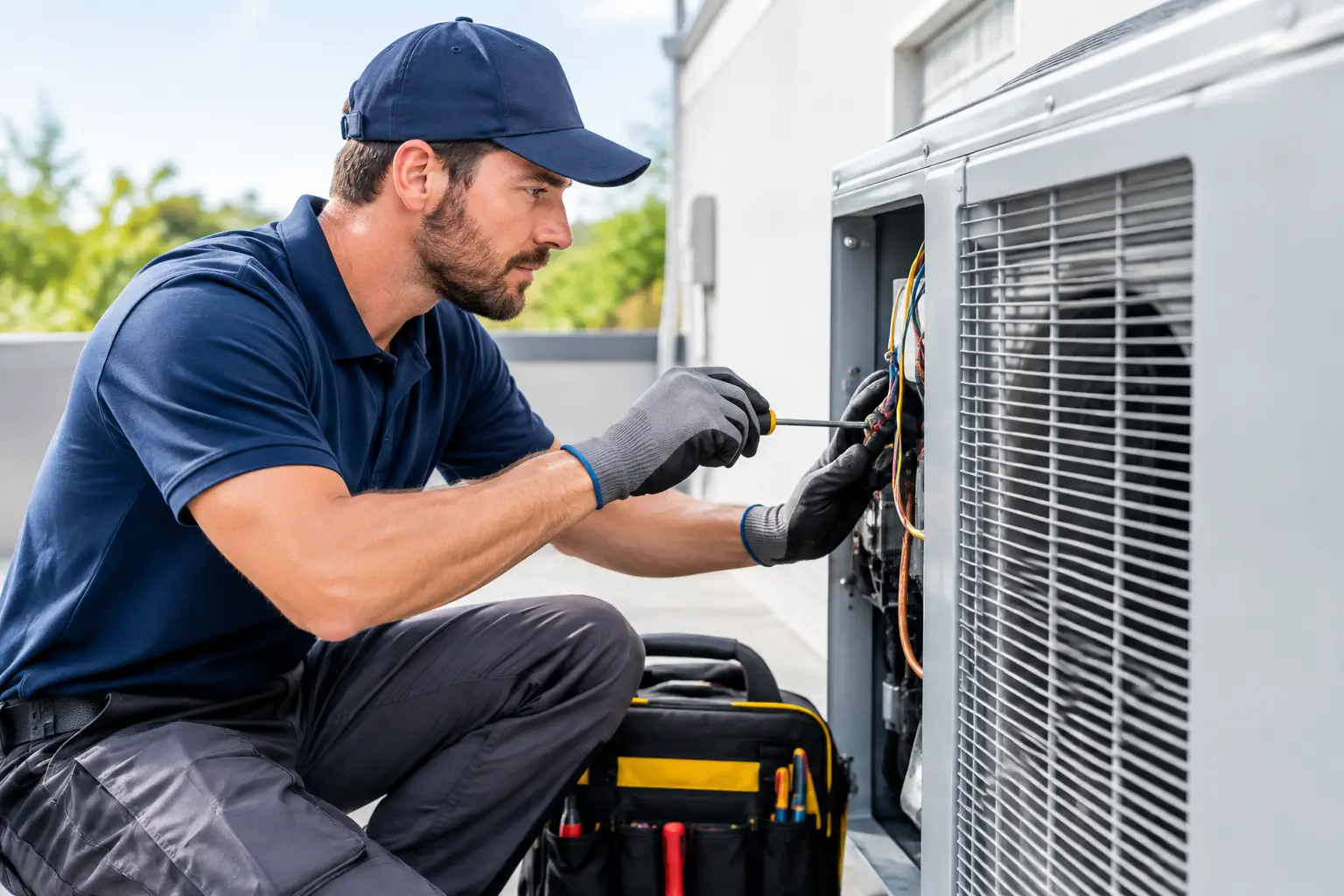
For most air conditioning and heating systems, a technician will inspect the indoor and outdoor units, clean or assess filters, check airflow, examine electrical connections, test controls and look for signs of refrigerant loss. They will also check the condensate drain. A blocked drain can lead to water leaks, mould growth and damage to ceilings or walls if it is left alone.
With ducted systems, attention also turns to the return-air grille, zones, vents and accessible ductwork. Weak airflow is not always a problem with the unit itself. Dirty filters, damaged ducts, poorly operating dampers or a control issue can all affect how a system performs.
Commercial refrigeration maintenance goes further because product temperature is business-critical. Cool rooms, display cabinets and freezer systems need their coils, fans, door seals, drains, controllers and operating temperatures checked. A door seal that no longer closes tightly may seem minor, but it makes the system work harder and can compromise temperature control over time.
Why routine servicing saves money
The main benefit of scheduled servicing is not that it makes equipment immortal. Every mechanical system has a working life, and parts eventually wear out. The value is catching smaller issues while the repair is still controlled, affordable and easier to schedule.
A clogged filter restricts airflow. The system then runs longer to reach the set temperature, placing more strain on fans and compressors while using more power. A dirty outdoor coil has a similar effect: heat cannot move efficiently, so cooling performance drops. Cleaning and checking these components at the right time is straightforward maintenance. Waiting until the system cannot keep up is when the cost and inconvenience increase.
Electrical issues are another reason not to delay. Heat damage around terminals, worn capacitors, loose connections and failing contactors can cause intermittent faults before a complete shutdown. An experienced technician can identify warning signs during a service and explain whether a repair should be done now or monitored.
For businesses, there is also a planning benefit. A known repair can be booked outside peak hours or arranged around operations. An emergency failure usually gives you no such choice. If a refrigeration system fails during service, the priority is protecting stock and getting the equipment running, not finding the most convenient time.
How often should HVAC maintenance be booked?
There is no single schedule that suits every property. A lightly used residential split system may only need professional servicing every 12 months, with the filters cleaned by the owner more often as required. A system used heavily through both summer and winter can benefit from a check before each high-demand season.
Commercial systems generally need more frequent attention. Restaurants, cafés, supermarkets, medical facilities, offices with long operating hours and sites with cool rooms or freezers often need maintenance scheduled at least twice a year. Busy kitchens, dusty workshops and equipment exposed to grease, lint or outdoor debris may need shorter intervals.
Age matters too. A newer system under warranty should still be maintained in line with the manufacturer’s requirements. An older unit may need closer observation if it has a history of leaks, electrical faults or reduced performance. The right plan is based on usage and condition, not a generic reminder sent once a year.
Signs you should not wait for the next service
Scheduled maintenance is best, but some signs call for an earlier booking. If your system is blowing weak air, taking too long to heat or cool, cycling on and off repeatedly, leaking water, making new noises or producing an unpleasant smell, it needs attention.
Higher-than-usual energy bills can also point to an HVAC problem, particularly when your use has not changed. For refrigeration, temperature fluctuations, excess ice, constant running, water around the unit or doors that will not seal properly should be addressed promptly. These problems do not always mean replacement is needed, but they should be diagnosed before they become more serious.
What you can do between professional services
There are a few simple jobs that owners and staff can handle, provided they are done safely and in line with the equipment manual. Keeping filters clean is the most useful one. Washable filters should be cleaned carefully, dried fully and refitted correctly. Disposable filters should be replaced with the correct type and size.
Keep the outdoor section of an air conditioner clear of leaves, grass clippings, stored items and other obstructions. It needs room to draw and discharge air. Inside, make sure furniture, stock or curtains are not blocking return-air grilles and supply vents.
For cool rooms and fridges, staff should keep door seals clean and report tears or gaps early. Doors should not be propped open, and boxes should not be stacked in a way that blocks evaporator airflow. Good operating habits reduce load on the system, but they are not a substitute for professional maintenance.
Do not remove electrical covers, top up refrigerant, pressure-wash coils or attempt to repair controls yourself. Refrigerant work and electrical diagnostics require the right licences, tools and testing procedures. A quick fix can create a larger fault, damage equipment or create a safety risk.
HVAC maintenance or repair: what is the difference?
Maintenance is planned work intended to keep equipment operating reliably. It includes inspection, cleaning, testing and adjustments, plus advice on worn parts or developing issues. Repair is reactive work carried out because something has failed or is no longer performing correctly.
The line can overlap. During a maintenance visit, a technician may find a failing component and recommend a repair. That is the point of the service: you have the information before the system stops altogether. A good contractor will explain the fault in plain terms, outline the recommended work and provide upfront pricing before proceeding where possible.
For older equipment, the decision is not always automatic. Replacing a minor part in a well-maintained unit may make perfect sense. Repeated repairs to an inefficient system with major component issues may not. The right call depends on repair cost, energy use, equipment condition, availability of parts and how critical the system is to your home or business.
Choosing a maintenance provider
The cheapest service is not necessarily the best value if it amounts to a quick filter rinse and a tick on a checklist. Ask what is included, whether the technician is qualified to work on your equipment and whether any findings will be documented clearly. For commercial sites, it is also worth confirming response arrangements, service frequency and how urgent faults are handled.
LJ Refrigeration & Air-Conditioning provides maintenance for residential heating and cooling as well as commercial HVAC and refrigeration equipment across Adelaide. The focus is straightforward: qualified technicians, punctual attendance, clear communication and work that addresses the cause of the problem rather than covering it up.
A well-timed service is easier to organise than an emergency call-out. Book maintenance before the weather turns, before the busy season starts and before a small warning sign has the chance to become a shutdown.
