
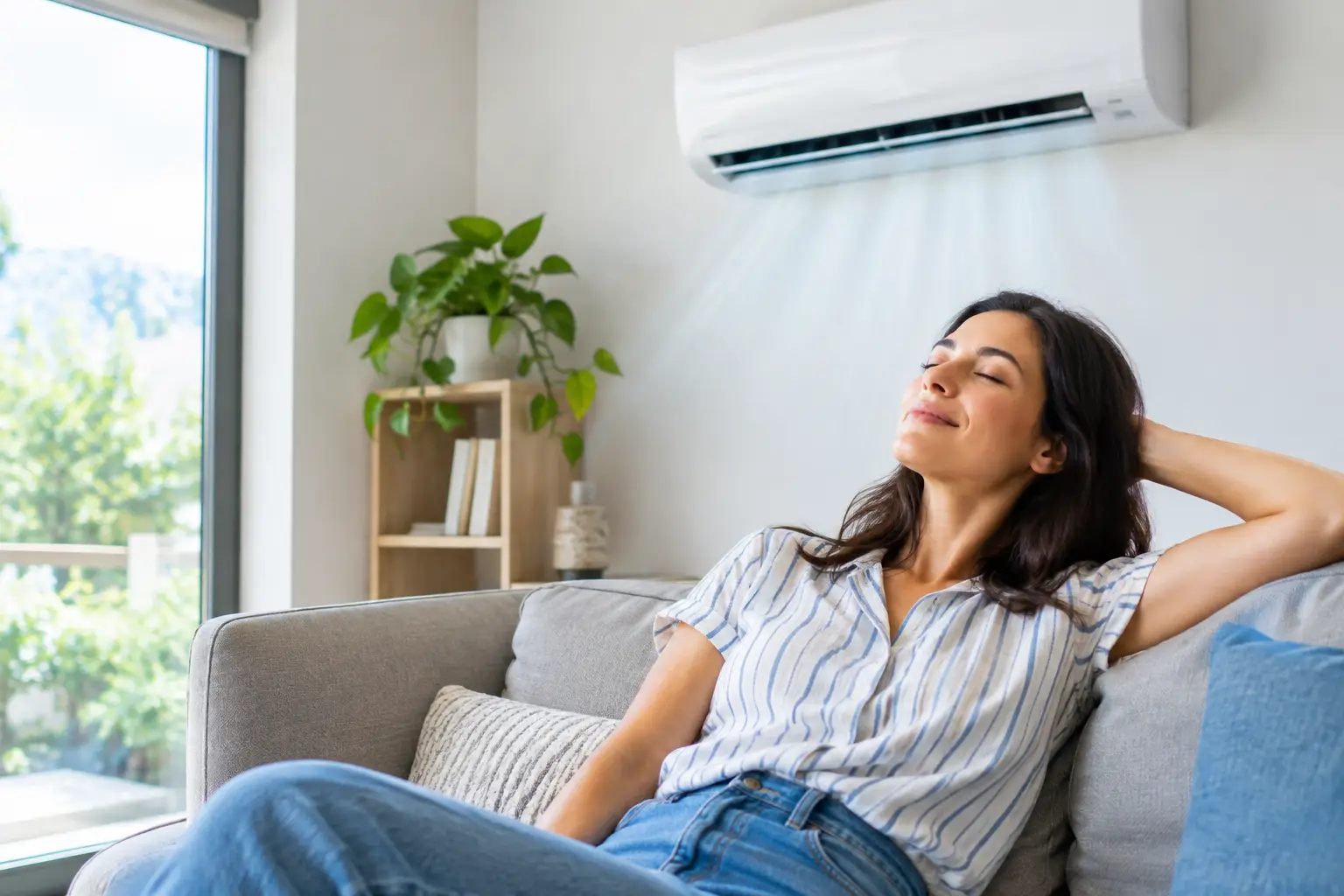
A hot Adelaide afternoon can expose every weak point in a cooling system. The air conditioner runs longer, rooms still feel stuffy, and the power bill arrives with an unwelcome surprise. Knowing how to reduce cooling costs is not about sitting in a warm house or switching the system off when you need it most. It is about making sure your equipment, building and day-to-day settings are working together.
The biggest savings usually come from a few practical changes done properly. Some are simple habits. Others need a qualified technician to identify faults, improve airflow or confirm the system is correctly sized. No shortcuts. No guesswork.
Start with a sensible temperature setting
Lowering the thermostat does not cool a room faster. It simply tells the system to run longer until it reaches that lower setting. During summer, setting your air conditioner around 24°C to 26°C is a practical starting point for most homes and workplaces. Each degree lower can add noticeably to energy use, particularly through a long heatwave.
Comfort depends on more than the number on the controller. Humidity, direct sun, air movement and how many people are in the room all make a difference. If 25°C feels warmer than it should, use ceiling fans to move air through the space before dropping the set temperature. Fans use far less energy than air conditioning and can help the room feel several degrees cooler.
For commercial spaces, avoid leaving controls open for anyone to adjust throughout the day. A clear operating setting prevents the familiar cycle of one person turning the system down, another turning it up, and the equipment working harder than necessary.
Stop heat getting inside in the first place
Air conditioning cannot work efficiently if the building is continually taking on heat. Close curtains, blinds or external shutters before sunlight reaches the glass, especially on western-facing windows. External shading is particularly effective because it stops radiant heat before it enters the room.
Keep doors and windows shut while the system is operating. This sounds obvious, but poorly closed doors, damaged seals and regular foot traffic can make a significant difference in shops, offices and busy family homes. In a commercial setting, door closers, strip curtains or an air curtain may be worth considering where cooled air is constantly escaping.
Check for drafts around doors, windows and service penetrations. Roof insulation also matters. If the ceiling space is poorly insulated, heat radiates down into rooms for hours after the sun has moved on. Air conditioning will compensate, but it will cost more to do it.
Clean filters and keep airflow clear
Restricted airflow is one of the most common reasons an air conditioner runs inefficiently. Split-system filters collect dust quickly, especially in homes with pets, renovation dust or frequent open windows. When filters clog, the indoor unit has to work harder to move air and cooling performance drops.
For most residential split systems, check filters every month during regular use and clean them as needed according to the manufacturer’s instructions. Let them dry fully before reinstalling them. Keep furniture, curtains and storage away from indoor outlets so cool air can circulate around the room.
Outside, the condenser needs room to reject heat. Clear leaves, grass clippings, rubbish and stored items away from the outdoor unit. Do not box it in or cover it while it is running. Good clearance and airflow around the unit can make a real difference on a 40°C day.
Ducted systems need the same attention. Keep return-air grilles clear, make sure supply vents are open in the areas being cooled, and do not assume closing most vents will save power. Restricting airflow can create pressure issues and reduce system performance. Zoned ducted systems should be set up to cool the spaces you are actually using, but the settings need to suit the design of the system.
Use timing, zoning and fans properly
Running cooling all day in an empty building is rarely the best answer. Use a timer, programmable controller or smart controls to start the system shortly before people arrive, rather than waiting until the space is already overheated. The right lead time depends on the building, insulation, equipment size and outside temperature, so it may take a few days to find a setting that works.
At home, cool occupied rooms first. In a ducted home, use zones rather than conditioning bedrooms, formal rooms and living areas all at once if no one is using them. In an office or retail space, review operating hours seasonally. A system that starts at 6 am because that was once convenient may be wasting energy if staff now arrive at 7 am.
Ceiling fans are useful alongside both split and ducted air conditioning. Set them to push air down in summer and use a comfortable fan speed. They do not lower the room temperature, but they help people feel cooler, allowing the air conditioner to run at a more economical setting.
Make sure the system is the right size
An oversized system can cool a small space quickly but cycle on and off too often, reducing its ability to manage humidity and causing unnecessary wear. An undersized system may run flat out for hours without reaching the desired temperature. Either way, you pay more for less comfort.
System sizing is not just a matter of floor area. Ceiling height, window size, insulation, orientation, room use, heat-producing appliances and the number of occupants all need to be considered. A kitchen facing west needs a different assessment from a shaded bedroom of the same size.
For businesses, changes in stock, equipment, trading hours or occupancy can alter cooling requirements over time. A café that adds cooking equipment, an office that fills more desks, or a retail store that changes its layout may need its air conditioning reviewed. The original installation may have been right at the time, but conditions do not stay still.
Keep up scheduled maintenance
A service is not just a clean filter and a quick look over the unit. Proper maintenance checks the items that affect efficiency, reliability and operating cost: electrical connections, refrigerant performance, condensate drainage, coils, fan operation, controls and airflow.
Dirty coils can prevent heat from transferring properly. A blocked drain can lead to water damage or shutdowns. Electrical faults can make a system unreliable or unsafe. Refrigerant issues should never be treated as normal wear and tear – a sealed system should not need regular topping up. If refrigerant is low, a qualified technician should find and repair the cause.
For homes, an annual check before peak summer use is a sensible baseline, particularly for older systems or units that run heavily. Commercial sites often benefit from a scheduled maintenance plan because breakdowns during trading hours cost more than electricity. They can mean lost stock, uncomfortable staff, unhappy customers and rushed repair decisions.
Do not ignore warning signs
A rising power bill is sometimes the first sign of a cooling problem. Other signs include weak airflow, uneven temperatures, ice on pipework, water leaks, odd noises, short cycling, unpleasant smells or a system that takes far longer than usual to cool the room.
Do not keep turning the temperature down to compensate. That usually increases the bill while allowing the underlying fault to get worse. Early diagnosis is generally simpler and less disruptive than waiting for a complete failure in the middle of summer.
The same principle applies to commercial refrigeration. Worn door seals, poor condenser airflow, incorrect temperatures and failing components can drive up energy use long before a cool room or display cabinet stops working. Regular checks protect both running costs and product.
Practical steps that add up
If you want to reduce cooling costs, begin with the measures you can control: set a realistic temperature, block direct sun, clean filters, use fans and cool only occupied areas. Then pay attention to performance. If the system is noisy, inconsistent, leaking or running constantly, it needs more than another adjustment on the remote.
Efficient cooling is not about getting by with less comfort. It is about a properly maintained system that delivers the cooling you are paying for, when you need it. A qualified inspection before the next hot spell can save a lot of wasted run time later.
