
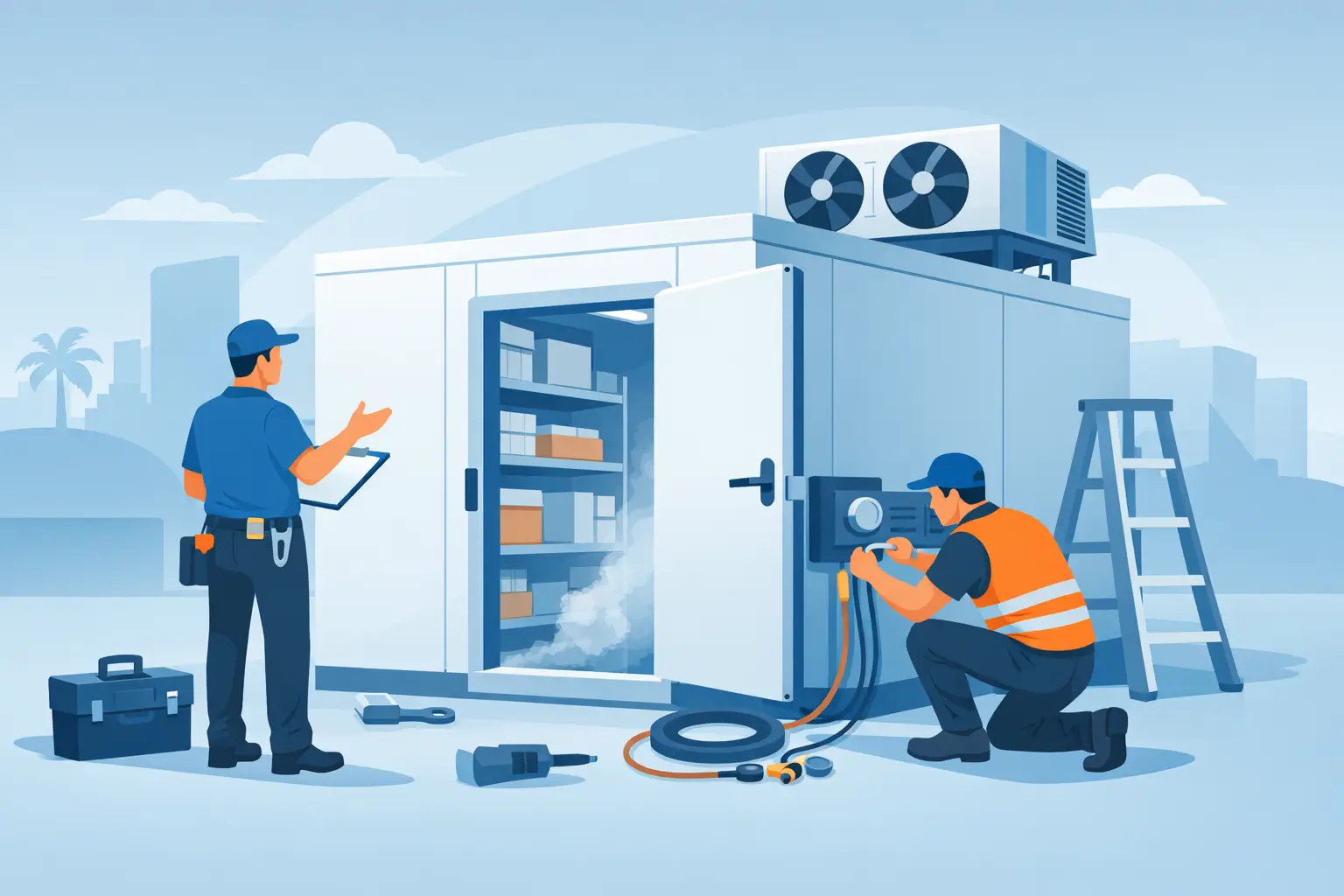
When a cool room goes down, stock is on the clock. For hospitality venues, florists, butchers, grocers and food producers, poor cool room installation Adelaide businesses can’t rely on usually shows up fast – unstable temperatures, icing, short cycling, rising power bills and product loss. A proper install is not just about getting cold air into a room. It’s about building a system that holds temperature, copes with daily use and keeps working when the pressure is on.
That matters most when the room is part of your day-to-day operation. If staff are opening the door every few minutes, if warm stock is coming in regularly, or if the room is packed tighter than it should be, a badly planned system will struggle from day one. No shortcuts. No surprises. That’s the standard the job should be built to.
What good cool room installation looks like
A decent cool room install starts well before panels go up or a condensing unit gets mounted. The first step is understanding what the room actually needs to do. There is a big difference between a cool room for drinks, one for fresh produce, and one for meat or dairy. They may look similar on paper, but the operating temperature, humidity, traffic levels and storage pattern all affect the design.
This is where a lot of problems begin. Some installers size the equipment off rough measurements and move on. That can leave you with a unit that technically runs but never performs properly under real conditions. If the room is undersized, it will work too hard and wear out sooner. If it is oversized, you can end up with inefficient cycling, temperature swings and unnecessary running costs.
Good installation takes the full load into account – room dimensions, insulation values, ambient conditions, heat from lighting, warm product load, door openings and operating hours. It also considers where the plant will sit, how service access will work and whether the room layout makes sense for your staff.
Cool room installation Adelaide businesses should expect
If you are paying for a new cool room, you should expect more than a basic supply-and-fit job. You want a system matched to the site, installed by qualified technicians and set up for long-term reliability.
That includes clean panel assembly, well-sealed joints, correct drainage, properly insulated pipework and controls that are configured for the application. It also means making sure the refrigeration plant is suited to the environment. A unit sitting in a hot outdoor area with poor ventilation has a different workload from one installed in a shaded, well-ventilated position.
You should also expect straightforward advice. Not every site needs the biggest or most expensive setup. In some cases, a simple cool room with solid insulation and correctly sized equipment will do the job well for years. In other cases, especially where stock value is high or access is constant, it makes sense to invest more in controls, monitoring or backup planning.
Why installation quality matters after handover
A cool room can look finished and still be set up to fail. The real test starts once it is loaded, doors are being opened all day, and the room has to maintain temperature through changing weather and business demand.
Poor installation tends to create the same pattern of issues. Door frames don’t seal properly, moisture gets where it shouldn’t, evaporators ice up, drains block, and the system runs longer than it needs to. On paper, these might seem like small faults. In practice, they cost money, waste time and create stress for staff who are trying to keep operations moving.
Good workmanship reduces those risks. When the room is built square, sealed properly and commissioned correctly, the equipment can do its job without fighting the installation. That means steadier performance, fewer breakdowns and less chance of discovering a problem when the room is full of stock.
Choosing the right setup for your site
There is no one-size-fits-all answer with cool rooms. The right setup depends on how you trade.
A restaurant or café may need fast pull-down after deliveries and reliable holding temperatures through constant door use. A butcher may need tighter control and a fit-out that makes cleaning straightforward. A bottle shop may prioritise steady temperatures, durable shelving space and a layout that helps staff move quickly. If you are storing temperature-sensitive goods, product integrity matters just as much as floor space.
The room’s footprint is only part of the picture. Ceiling height, traffic flow, stock rotation and access all affect the final result. A room that is too small creates handling issues. A room that is larger than necessary may cost more to run than it should. The right answer usually sits somewhere between budget, available space and operational need.
What to ask before the job starts
Before locking in an installation, it is worth asking a few direct questions. Who is actually doing the work? Is the system being sized for your specific application? What happens if service is needed after installation? Will the contractor handle the full job or pass parts of it off?
Those questions matter because accountability matters. If multiple parties are involved and nobody owns the result, it gets hard to sort out problems later. A contractor who supplies, installs and services the system is generally in a better position to stand behind the work.
You should also ask about maintenance from the outset. Even a well-installed cool room still needs regular checks. Refrigeration systems don’t fail on a timetable that suits your business, but many issues can be picked up early through routine servicing.
Planning for service, not just install
The best cool room installation Adelaide operators invest in is one that can be maintained properly after handover. That means practical plant location, safe access to components and enough room to inspect and service the equipment without turning a basic maintenance call into a half-day job.
This is often overlooked during design. Everything may fit, but if access is poor, small faults can become expensive faults. A blocked drain, dirty coil or failing fan motor is much easier to deal with when the system has been installed with serviceability in mind.
Scheduled maintenance also helps protect product, power efficiency and equipment life. Refrigeration systems work hard, especially in commercial settings. Dust buildup, airflow restrictions and control drift can all chip away at performance over time. A proper maintenance plan keeps the room operating as intended instead of waiting for something to break.
Cost matters, but cheap usually costs more
Every business has a budget. That is fair enough. But when comparing quotes, the cheapest number rarely tells the full story.
A lower quote may leave out key details such as controls, electrical allowances, drainage work, panel quality or after-install support. It may also reflect rushed labour or equipment that is not the best fit for the load. The issue is not that every low quote is wrong. It’s that cool room installation is one of those jobs where corners stay hidden until the room is under pressure.
Upfront pricing should be clear, and the scope should be easy to understand. If something is excluded, it should be stated. If there are site variables that could affect the price, they should be raised early. Honest quoting gives you a fair basis to compare options without getting caught by extras later.
A local install should suit local conditions
In Adelaide, heat load is not a theoretical problem. Summer conditions place real demand on refrigeration systems, particularly where plant is exposed or ventilation is poor. That is why local experience adds value. The install needs to account for the conditions the system will actually face, not ideal conditions on a specification sheet.
For commercial operators, timing matters too. Install work often has to fit around trading hours, deliveries, staff movement or other contractors on site. A team that shows up when they say they will, keeps the site tidy and communicates clearly makes the whole process easier.
That is the kind of approach LJ Refrigeration & Air-Conditioning is built around – qualified technicians, clear pricing and work done properly the first time. Not flashy. Just accountable.
If you are planning a new cool room or replacing an unreliable one, the smart move is to think beyond the box itself. Focus on the load, the layout, the install quality and the support after handover. A cool room should make your operation easier, not give you one more thing to worry about.
