
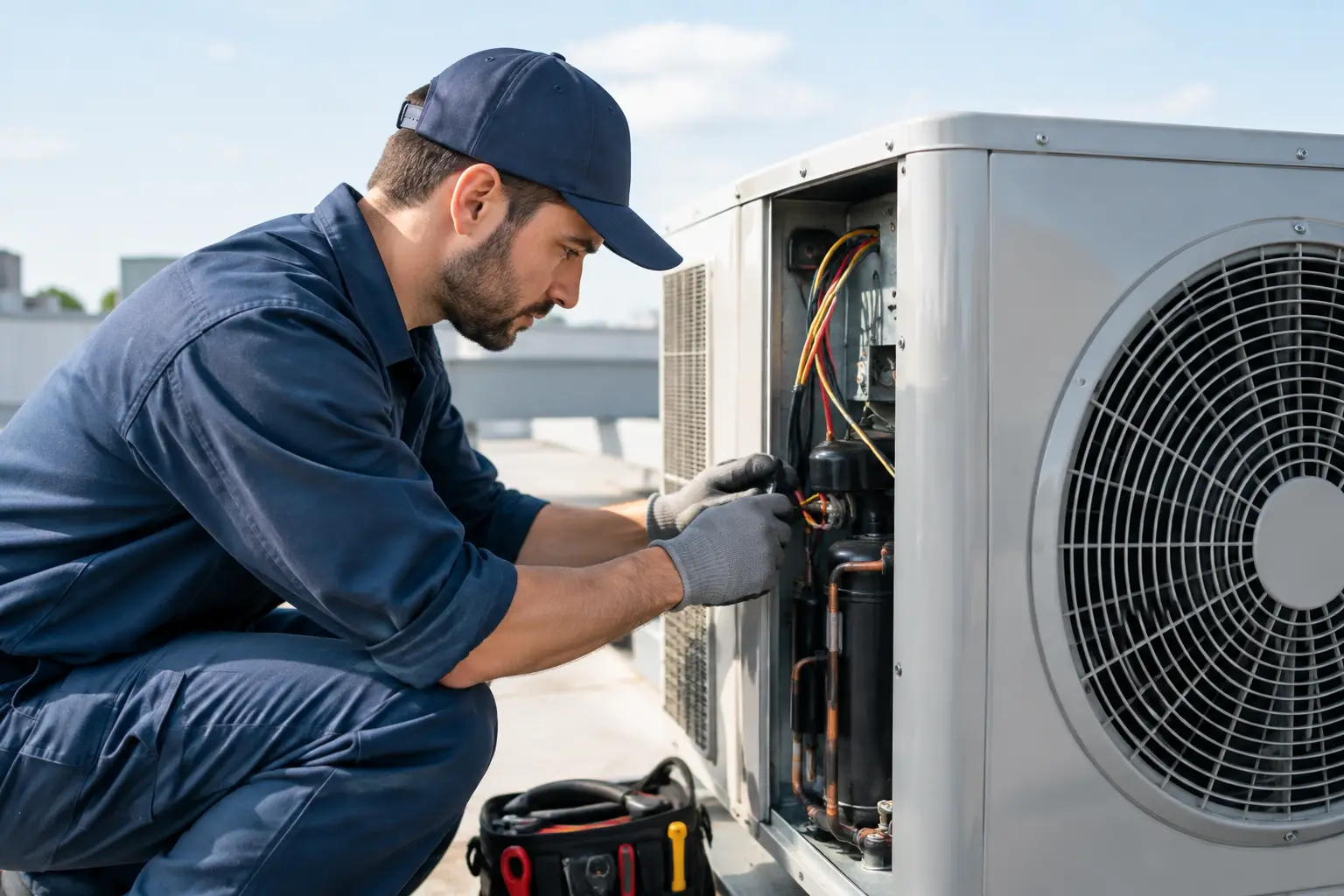
A system rarely breaks down at a convenient time. It is usually during an Adelaide heatwave, on a cold morning, or halfway through a busy service in a commercial kitchen. So, can HVAC maintenance reduce breakdowns? In most cases, yes. Regular servicing gives a qualified technician the chance to find small faults before they become a no-cooling call-out, an after-hours repair, or lost trade.
Maintenance is not a guarantee that an air conditioner, heater or refrigeration unit will never fail. Parts can still wear out and electrical faults can happen without warning. What proper maintenance does is reduce the chance of avoidable failure and give you clearer warning when a component is nearing the end of its working life.
How HVAC maintenance reduces breakdowns
Heating and cooling equipment works hard in South Australian conditions. Dust builds up, drains block, electrical connections loosen and moving parts gradually wear. These issues often start quietly. The system may take longer to cool, make more noise than usual, trip occasionally, or use more power than it should. Left alone, a minor issue can put strain on the rest of the unit until something stops working altogether.
A scheduled service is designed to pick up those early signs. A technician can clean components that need clear airflow, check operating pressures and temperatures, inspect wiring and electrical connections, test safety controls, and assess the general condition of the system. If a capacitor is weakening, a fan motor is struggling, or a drain is beginning to block, it is far better to deal with it during a planned visit than after the unit has failed.
For homeowners, that can mean avoiding a sweltering night without air conditioning or a heater that will not start when winter arrives. For a business, the stakes can be higher. A cool room, display fridge or commercial HVAC failure can affect stock, staff comfort, customers and operating hours.
The faults regular servicing is most likely to catch
Not every fault is visible from the outside. A system can look fine while operating inefficiently or putting extra load on key components. Routine maintenance commonly identifies issues such as dirty filters and coils, blocked condensate drains, loose terminals, worn contactors, deteriorating fan belts, refrigerant concerns and poor airflow.
Dirty filters are one of the most common and preventable problems. When filters are clogged, the system has to work harder to move air. That added strain can reduce heating or cooling performance, increase running costs and contribute to frozen coils or fan problems. Cleaning or replacing filters is simple, but it needs to be done at the right interval for the equipment and environment.
Drainage issues are another regular cause of call-outs. Air conditioners remove moisture from the air, and that water needs somewhere to go. A blocked drain can cause leaks, water damage, unpleasant smells or safety shutdowns. In commercial settings, where systems may run for long hours, checking drains is not a minor detail. It is basic preventative work.
Electrical components also deserve attention. Heat, vibration and normal use can affect connections, switches, relays and capacitors over time. These parts do not always fail gradually from the customer’s point of view. One day the unit starts normally, and the next day it will not run. Testing and inspecting them during servicing gives a technician the best chance of spotting trouble before it becomes a breakdown.
Maintenance is more than a filter clean
A quick filter clean has value, but it is not a full maintenance service. Proper servicing looks at the condition and performance of the whole system. That includes whether it is operating safely, whether airflow is adequate, whether the electrical side is sound and whether there are signs of leaks, wear or poor installation.
The required work depends on the equipment. A residential split system may need a seasonal inspection, thorough clean and performance check. A ducted system may also need attention to return air filters, zoning operation, duct condition and airflow at outlets. Commercial refrigeration requires a more disciplined maintenance plan because equipment failure can affect food safety, product quality and daily operations.
A busy café kitchen, for example, creates grease, heat and heavy use around refrigeration equipment. A retail cool room may be opened constantly throughout the day. An office air conditioning system may be relatively low demand for much of the year, then work flat out through summer. The service schedule should reflect how the equipment is used, not a one-size-fits-all calendar reminder.
How often should HVAC equipment be serviced?
For most homes, annual servicing is a sensible starting point. If the system is used heavily for both heating and cooling, a check before the main summer or winter season can be worthwhile. Households with pets, dusty conditions or occupants sensitive to indoor air quality may need filter attention more often.
Commercial systems generally need more frequent checks. The right interval depends on the equipment, operating hours, site conditions and the consequences of downtime. A lightly used office split system has different needs from a restaurant cool room or a supermarket display fridge running around the clock.
There is a cost to planned maintenance, but it should be weighed against the cost of a major repair, emergency call-out, spoiled stock or an uncomfortable workplace. It also gives business owners a better basis for budgeting. When a technician identifies a worn part early, you can plan the repair rather than being forced into a rushed decision after failure.
What maintenance cannot prevent
Honest advice matters here. Maintenance cannot stop every breakdown. A severe power surge, storm damage, manufacturer defect or unexpected component failure can still take a system offline. Older equipment can also reach a point where continued repairs no longer make financial sense.
What servicing does provide is a clearer picture of risk. If a unit is nearing the end of its useful life, struggling to hold temperature or needing repeated repairs, a qualified technician should say so plainly. That gives you the option to repair, monitor or replace based on the condition of the equipment and the likely cost, not guesswork.
It is also worth remembering that maintenance will not fix poor installation. Incorrect pipework, inadequate drainage, undersized equipment or bad electrical work can cause recurring problems from day one. A proper inspection can identify these issues, but rectification may be needed to achieve a reliable long-term result.
Signs you should book a service before a breakdown
Do not wait for a complete failure if your system is already showing warning signs. Reduced airflow, uneven temperatures, unusual noises, water leaks, ice on pipework, unpleasant smells, frequent tripping or higher-than-normal power bills all deserve attention.
For refrigeration equipment, watch for temperature fluctuations, excessive compressor run time, frost build-up, doors that do not seal properly and alarms that keep returning. These are not issues to put off, particularly where food, medicine or temperature-sensitive stock is involved.
A prompt inspection may lead to a straightforward repair. Waiting can turn the same issue into damage to the compressor, motor or control system, which is where costs can climb quickly.
Can HVAC maintenance reduce breakdowns for your property?
Yes, provided the maintenance is thorough and carried out at sensible intervals. The goal is not to sell unnecessary work or promise the impossible. It is to keep equipment clean, safe and operating as intended, while dealing with wear before it causes disruption.
For Adelaide homes and businesses, scheduled servicing is one of the most practical ways to protect heating, cooling and refrigeration equipment. LJ Refrigeration & Air-Conditioning can assess the system you have, explain its condition in plain terms and recommend maintenance that suits how it is actually used. No shortcuts. No surprises.
If your equipment has been working harder, sounding different or simply has not been checked in a while, book the service before the next extreme-weather day or busy trading period makes the decision for you.
