
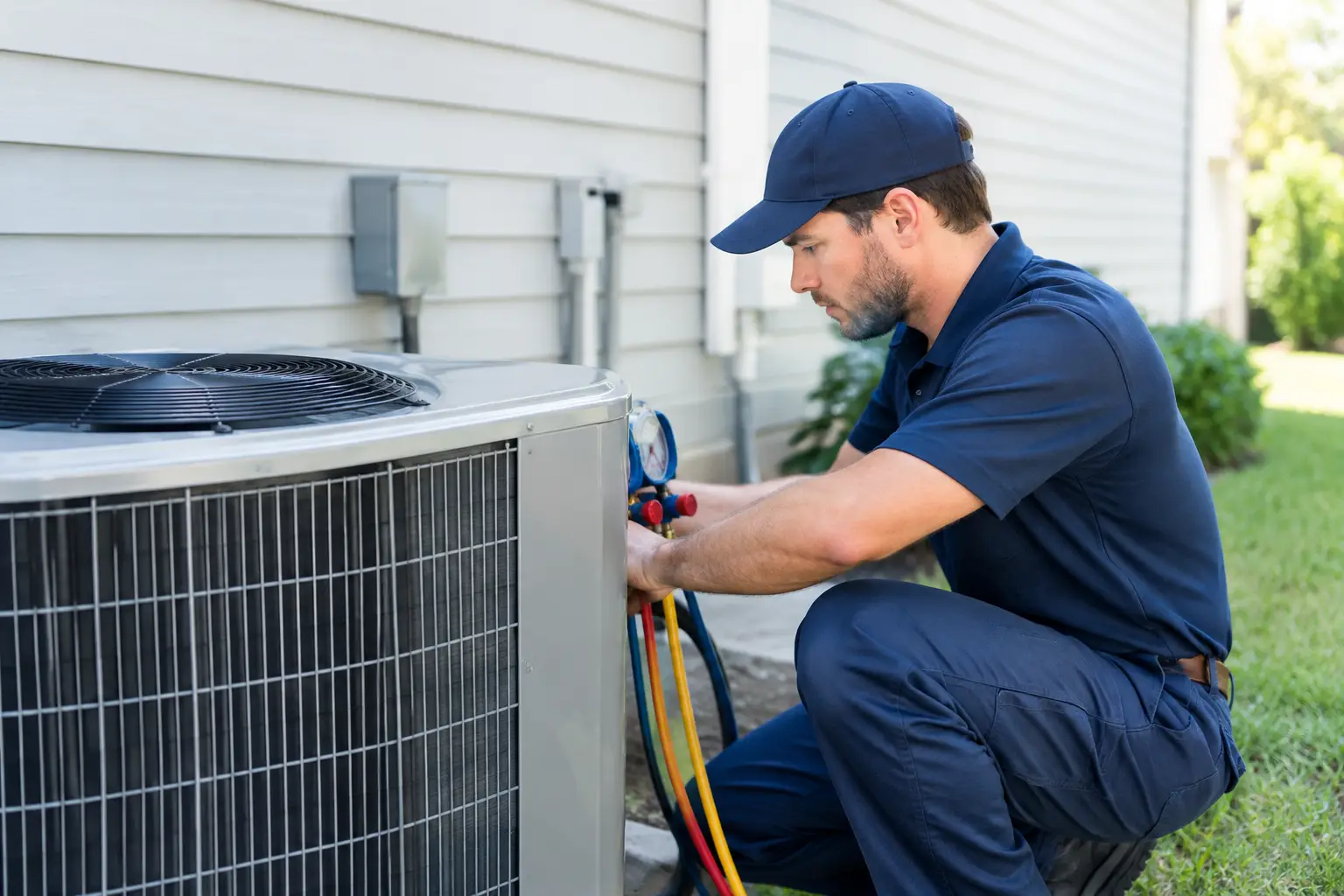
A new system can look neat on the wall and still be wrong for the room. A repair can get cold air moving again and still leave the fault waiting to return. That is why choosing between heating ventilation and air conditioning companies comes down to more than the first price you receive. You need a contractor who can assess the job properly, explain the options clearly and stand behind the work.
For Adelaide homes and businesses, heating and cooling is not a luxury when the temperature climbs or drops. For commercial operators, it can also protect stock, staff comfort and daily trade. The right company helps you make a sound decision before the work starts, then completes it without shortcuts or surprises.
What good heating ventilation and air conditioning companies do differently
The best contractors do not treat every job as a quick swap-out. They ask the questions that affect performance: the size and layout of the space, insulation, window exposure, operating hours, existing equipment and what the system needs to do. A bedroom split system, a ducted system for a family home and air conditioning for a busy office all need different thinking.
A proper assessment matters because an oversized unit can cycle on and off too often, while an undersized unit may run hard without ever making the room comfortable. Poor placement can create hot and cold spots. Bad drainage, electrical work or duct design can turn a new installation into an expensive nuisance.
Quality service is usually visible in the small details. The technician arrives when promised, protects the work area, explains what has been found and leaves the site tidy. They do not disappear once the invoice is paid. If a question comes up after installation, you should know who is responsible for answering it.
Qualified people should do the work
Ask who will actually attend your property. Some companies sell the job and pass it to subcontractors, which can make accountability difficult if something goes wrong. There is nothing wrong with asking whether the people completing the work are qualified, insured and experienced with the equipment being installed or repaired.
For refrigeration and air conditioning work, correct handling of refrigerant, electrical components and condensate drainage is not optional. It affects safety, system reliability and equipment life. A qualified technician should be able to identify whether the issue is mechanical, electrical, airflow-related or caused by a refrigerant fault, rather than guessing and replacing parts until something works.
Start with the job you actually need
Before requesting quotes, be clear about the result you want. A homeowner may need a quiet split system for one living area, better heating in winter or a replacement for an ageing ducted unit. A business may need a cool room running reliably, improved ventilation in a work area or planned servicing across several sites.
The type of job changes the right approach.
For a new installation, focus on system selection, capacity, placement and installation standards. The cheapest unit is not always the cheapest option over its working life. Energy use, noise levels, zoning, controls and access for future servicing all matter.
For a repair, the key question is whether the company is finding the cause or only treating the symptom. If a system repeatedly trips, leaks water, freezes up or fails to hold temperature, a temporary reset is rarely a proper answer. Good fault diagnostics take time, but they can prevent repeat call-outs and unnecessary replacement costs.
For maintenance, look for a practical schedule that suits how hard the equipment works. A lightly used home system may only need periodic servicing, while commercial refrigeration, kitchens and high-use offices need closer attention. Filters, coils, drains, electrical connections and operating pressures all need checking before a minor issue becomes a breakdown.
What a clear quote should cover
A quote should help you understand what you are paying for, not leave you comparing vague totals. It should identify the equipment or work proposed, the main installation requirements and any known extras. If there are variables that cannot be confirmed until work begins, the contractor should explain them upfront.
For installation work, ask about electrical requirements, wall or roof access, drainage, pipe runs, removal of old equipment and making good any affected surfaces. These details can affect the final price. A lower quote may exclude work that another contractor has already allowed for, so compare scope as well as dollars.
For repairs, ask what has been diagnosed, what part or work is recommended and whether there are other concerns worth monitoring. You do not need a lecture full of jargon. You do deserve a plain explanation of the issue, the repair options and the likely consequences of delaying it.
Upfront pricing does not mean every job has one fixed number before anyone attends. Fault finding and concealed installation conditions can create genuine unknowns. What matters is honest communication before additional work proceeds. No surprises is a standard worth expecting.
Questions worth asking before you book
A short conversation before booking can tell you plenty about a contractor. Ask whether they service the type and brand of system you have, whether they provide both installation and ongoing maintenance, and how they handle urgent commercial faults. Ask what appointment window they can commit to and whether they will contact you if they are delayed.
It is also reasonable to ask about warranty support. Equipment warranties and workmanship warranties are different things. A company may install a quality unit, but you still want confidence that the installation itself has been completed correctly and that help is available if there is a problem.
For businesses, ask whether scheduled maintenance can be arranged outside peak operating periods. A café, retail store, office or facility cannot always stop work for a service visit. A contractor who understands commercial sites will plan access, communicate with staff and work to minimise disruption.
Repair, replace or maintain?
There is no automatic answer when older equipment starts failing. A minor repair on a system that otherwise performs well can be the sensible choice. Replacing a unit with a major fault, poor efficiency and repeated call-outs may be better value over time.
Consider the age of the equipment, repair history, energy use, parts availability and whether it still suits the space. If the building has changed – perhaps a room has been added, a shop layout altered or operating hours extended – the original system may no longer be suitable even if it can technically be repaired.
Maintenance is often the option people postpone because the system still seems to be working. That can be a false saving. Blocked filters reduce airflow, dirty coils make equipment work harder and neglected drains can cause water damage. In commercial refrigeration, a small temperature issue can become a stock-loss problem quickly. Planned servicing gives technicians the chance to spot wear before it stops the system altogether.
Local accountability matters
A local contractor has a reputation to protect in the areas they serve. That changes the experience after the job as much as during it. When you need follow-up work, seasonal servicing or assistance with another system, it helps to deal with a team that knows the site and can be reached.
LJ Refrigeration & Air-Conditioning works with homeowners and commercial operators who want qualified technicians, straight answers and workmanship built to last. From split and ducted systems to heating, cool rooms and commercial refrigeration, the aim is simple: do the job properly and be accountable for it.
When you are comparing contractors, do not let a quick promise or a low figure make the whole decision for you. Choose the team that takes the time to understand the job, puts the scope in plain language and shows up ready to fix the real problem. That is the kind of service that keeps a home comfortable and a business running.
