
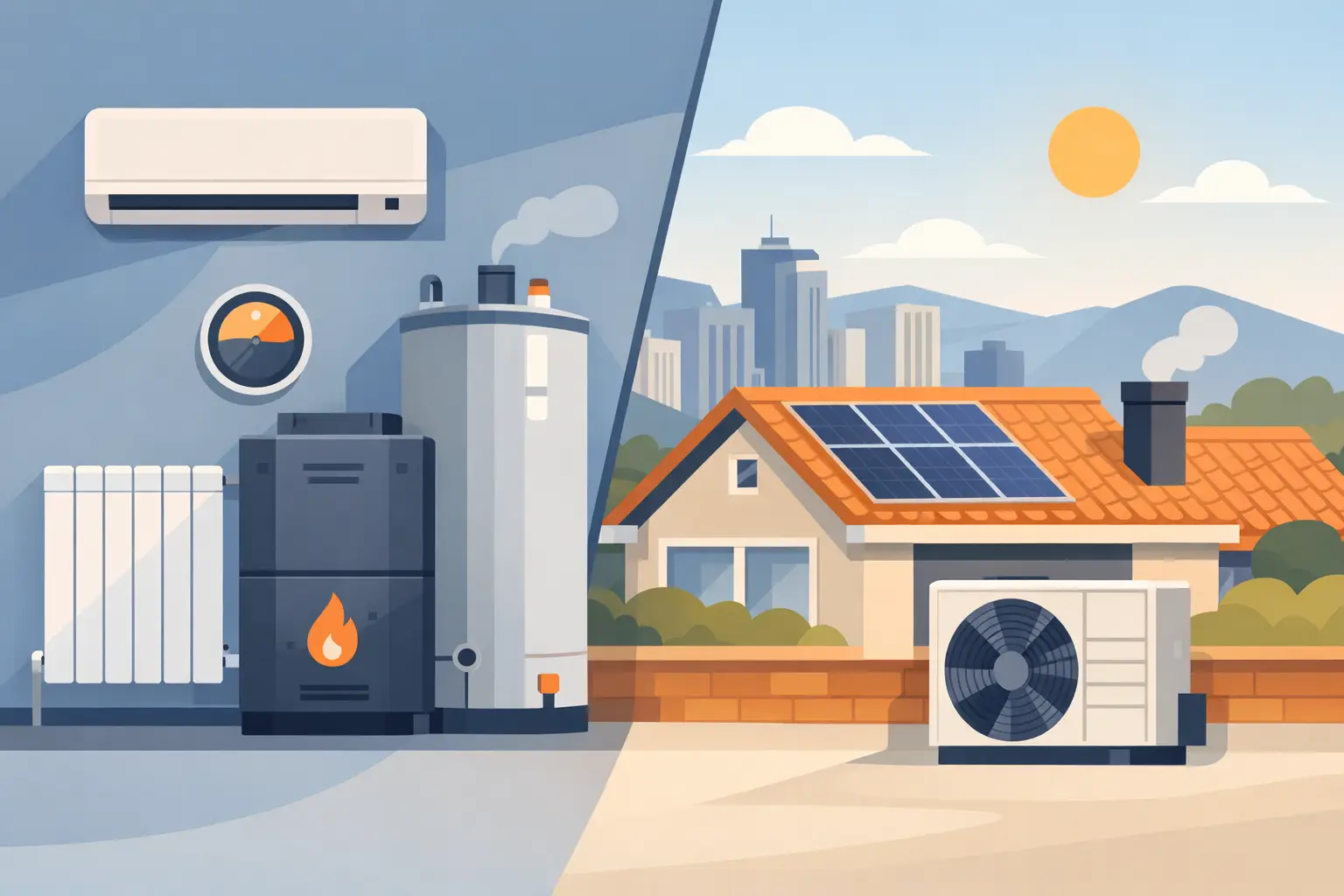
A cold Adelaide morning quickly exposes a heating system that is too small, poorly installed or expensive to run. The best heating system for homes is not always the biggest unit or the cheapest quote. It is the system that suits the house, the way your family uses each room, and the running costs you are prepared to carry over the long term.
For many local homes, reverse-cycle air conditioning is the practical front-runner. But ducted heating, gas systems and hydronic heating still have their place. The right answer comes down to your layout, existing services, insulation, budget and expectations around comfort.
What is the best heating system for homes?
There is no single heating system that wins for every property. A well-insulated two-bedroom unit has very different needs to a large, older family home with high ceilings and several living areas.
For a lot of Adelaide households, a reverse-cycle split system offers the strongest balance of heating performance, energy efficiency and year-round value. It heats in winter, cools in summer and lets you condition the rooms that are actually being used. A quality unit, correctly sized and installed, can deliver reliable comfort without heating the entire house unnecessarily.
Ducted reverse-cycle air conditioning is often the better fit where whole-home comfort matters. It provides discreet heating through ceiling vents and can be zoned so bedrooms, living areas and unused rooms are managed separately. The higher upfront cost can make sense when the system is designed properly for the home rather than treated as a one-size-fits-all installation.
Gas ducted heating remains familiar and effective in many established homes, particularly where gas infrastructure and suitable ductwork are already in place. Hydronic heating can provide a very even, quiet warmth, but it generally costs more to install and is usually chosen as part of a renovation or new build. Portable electric heaters are useful for a short-term boost in a small room, not as a cost-effective whole-home solution.
Reverse-cycle split systems: efficient heating where you need it
A reverse-cycle split system uses a heat pump to move heat from outside air into the home. It may sound counterintuitive on a cold day, but modern systems can extract heat from outdoor air and bring it indoors efficiently.
For households that spend most of their time in one or two main areas, this is often the sensible option. You can warm the lounge room in the evening, heat a home office during the day or use separate units in key bedrooms without paying to heat empty spaces.
The main advantages are clear: one system handles heating and cooling, installation is less invasive than a full ducted setup, and zoning happens naturally by running only the units you need. Split systems also suit extensions, granny flats and homes where installing ducts is impractical.
The trade-off is that one wall-mounted unit will not heat every corner of a large or divided home evenly. Hallways, closed bedrooms and rooms around corners may stay cooler. Trying to make a single oversized split system solve that problem can create noise, uneven temperatures and unnecessary running costs. In those cases, multiple splits or ducted reverse-cycle may be the better call.
Ducted reverse-cycle for whole-home comfort
Ducted reverse-cycle heating is designed for homes where comfort across several rooms matters. The indoor unit is concealed in the roof space, while ducts distribute conditioned air through ceiling outlets. It can provide a clean finish without wall-mounted units in each room.
A properly designed ducted system should account for room sizes, ceiling heights, window orientation, insulation, glazing and the number of people using each space. It should also include sensible zoning. There is little value in heating every bedroom during the day or running the full house when only the living area is occupied.
The upfront investment is higher because the job involves equipment, ductwork, outlets, controls and electrical work. Access to the roof cavity also matters. In a house with limited ceiling space, a complex roofline or poor existing ductwork, installation can require more planning.
Do not judge a ducted quote on capacity alone. A large number on the brochure does not guarantee an effective system. Duct sizing, outlet placement, return-air design and commissioning all affect how well the system performs. This is where qualified installation makes the difference between dependable heating and years of frustration.
Gas ducted heating: familiar, fast and worth assessing carefully
Gas ducted heating delivers warm air quickly and can be a good option for homes already set up for it. Many owners like the feel of gas heating and the ability to warm several rooms at once.
However, it is worth looking at the full picture before replacing an existing gas furnace with another like-for-like system. Consider the condition of the ducts, the cost of running the system, whether cooling is also needed, and whether zoning is available. If your existing ducts are leaking, poorly insulated or undersized, replacing only the heater will not fix the underlying comfort problem.
A reverse-cycle ducted system may offer a more flexible long-term solution for households that need both heating and cooling. On the other hand, if the ductwork is in good condition and gas ducted heating suits how the home is used, replacement may still be a straightforward choice. The right decision is based on the property, not a sales pitch.
Hydronic and electric heating: where they fit
Hydronic heating circulates warm water through radiators or in-slab pipes. It is quiet, comfortable and well suited to people who dislike moving air. It can also be effective in larger homes and renovated character properties where a steady, gentle heat is preferred.
Its limitation is installation cost and complexity. Retrofitting pipes and radiators into an existing house is more involved than fitting a split system. Hydronic systems also do not provide cooling unless a separate cooling solution is installed.
Panel heaters, oil heaters and other resistive electric heaters are easy to buy and plug in, but they are generally best used for occasional heating in a small, enclosed room. They can be useful in a spare bedroom or for a short-term need. They are rarely the best answer when you need regular heating through a full Adelaide winter.
The factors that matter more than the brand name
Before choosing a heating system, look at how the home loses heat. A powerful heater cannot fully compensate for draughty doors, uninsulated ceilings, gaps around windows or poor-quality ductwork. Addressing those issues can reduce the size of the system required and improve comfort from day one.
Room usage is equally important. A family that gathers in one open-plan living area needs a different setup from a household where everyone uses separate bedrooms and studies. Open doors, closed doors, pets, shift work and home offices all change the best design.
Also consider future needs. If you are replacing an ageing heater and have no effective cooling, a reverse-cycle option may avoid paying for two separate systems. If you are planning solar, electrical capacity and how you use power during the day may influence the decision. These are practical discussions to have before equipment is selected, not after it has been installed.
Installation quality protects your investment
Even a good heating system will underperform if it is poorly installed. Incorrect sizing, bad pipework, inadequate drainage, loose duct connections and rushed commissioning can lead to uneven heating, higher bills and premature repairs.
Ask whether the installer has inspected the home, measured the areas to be conditioned and explained why a particular capacity is recommended. A proper quote should make clear what equipment is included, where components will be located, what electrical work is required and whether existing ducts can be retained.
At LJ Refrigeration & Air-Conditioning, the focus is on qualified technicians, clear pricing and work that is built to last. No shortcuts. No surprises. Whether the job is a single split system or a full ducted installation, the system needs to be selected and fitted for the house in front of us.
A quick way to narrow down your options
If you mainly heat one or two rooms and want cooling as well, start by considering a reverse-cycle split system. If you want consistent comfort through most of the house, investigate ducted reverse-cycle with zoning. If you already have gas ducted heating, assess the condition of the furnace and ducts before deciding whether replacement or a change of system makes better financial sense.
For major renovations, new builds or homes where quiet radiant warmth is a priority, hydronic heating may be worth pricing alongside other options. The key is to compare the complete installed solution, including running costs, controls, maintenance and the comfort it will deliver in the rooms you actually use.
A heating system should fade into the background once it is installed: warm rooms when you need them, sensible running costs and no constant fiddling with the controls. Start with an honest assessment of your home, and you will be far more likely to end up with heating that does its job properly.

1 comment on “Best Heating System for Homes in Adelaide”